Investment Team
Link Organization
Fang Yingxuan Senior Business Development Manager
Correct
Precise market insights and efficient execution to help projects land quickly
Call
Ceng Yiyan Industry Operations Manager
Correct
Precise market insights and efficient execution to help projects land quickly
Call
Jian Yinju Director of the Overseas Office
Correct
Precise market insights and efficient execution to help projects land quickly
Call
Luo Lisheng Director of the Smart Device Office
Correct
Precise market insights and efficient execution to help projects land quickly
Call
For Lease
Factory
Warehouse
Office Building
| Name | Floor Space | Unit Price | Floor Level | Height | |
|---|---|---|---|---|---|
 | |||||

For Sale
Factory
Warehouse
Office Building
| Name | Floor Space | Unit Price | Floor Level | Height | ||
|---|---|---|---|---|---|---|
| ||||||
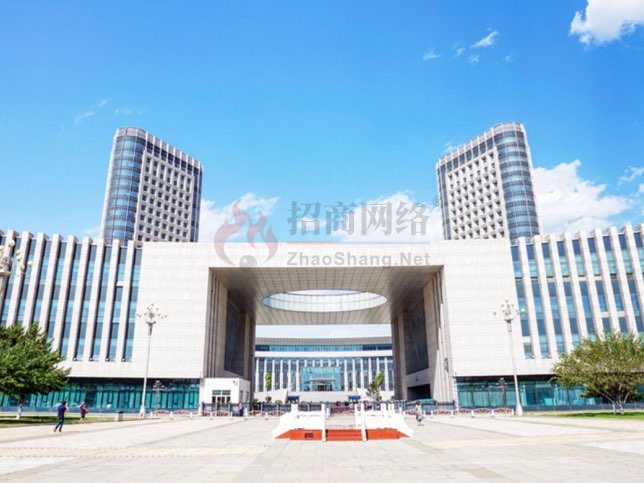
Park Overview
A national-level new area established in June 2010 with the approval of the State Council, it is located in northern Chongqing and spans Jiangbei, Yubei, and Beibei districts. With a planned area of 1,200 square kilometers, it is the third national-level new area following Shanghai’s Pudong and Tianjin’s Binhai.It focuses on developing industries such as automotive, electronics and information technology, high-end equipment, biopharmaceuticals, and modern services, aiming to build an inland open gateway and a driver of high-quality development for Chongqing. The zone is home to leading enterprises including Changan Automobile, BOE, ASUS, Tencent’s Southwest Headquarters, and Geely’s high-end new energy project. By 2025, it aims to achieve a regional GDP exceeding 420 billion yuan, a total industrial output value exceeding 800 billion yuan, and a digital economy value-added share of GDP reaching 45%.The area features major transportation hubs such as Jiangbei International Airport, Guoyuan Port, and Chongqing North Railway Station, and is served by Metro Lines 3, 6, 10, and 15. It benefits from a combination of policies associated with its status as a national-level new area, a pilot free trade zone, and the China-Singapore Interconnectivity Project. Enterprises can access support measures including corporate income tax incentives, R&D subsidies, and individual income tax rebates for talent.